Overview of the Chardham Yatra
The Chardham Yatra is one of the most revered and spiritually enriching pilgrimages in Hinduism. Nestled amidst the majestic Himalayas, this journey encompasses four sacred temples: Yamunotri, Gangotri, Kedarnath, and Badrinath. Each of these destinations holds profound religious significance and offers a unique experience to devotees. Embarking on the Chardham Yatra not only provides a spiritual awakening but also presents an opportunity to witness some of India’s most spectacular natural landscapes. Pilgrims from all over the world undertake this journey to seek divine blessings and attain inner peace.
The Chardham Yatra is traditionally undertaken in a clockwise direction, starting from Yamunotri, moving to Gangotri, then Kedarnath, and finally Badrinath. This sequence is believed to be auspicious and is followed by devotees to maximize the spiritual benefits of the pilgrimage. The journey involves traversing rugged terrains, crossing scenic valleys, and experiencing the serenity of the high-altitude regions. Despite the physical challenges, the Yatra is immensely rewarding, offering a deep connection with nature and spirituality.
For centuries, the Chardham Yatra has been a cornerstone of Hindu religious practices. It is often said that undertaking this pilgrimage washes away one's sins and paves the way for salvation. The temples are not only architectural marvels but also repositories of ancient myths and legends. Each site has its own set of rituals, festivals, and traditions that add to the richness of the experience. Whether you are a devout believer or a curious traveler, the Chardham Yatra promises an unforgettable journey through the heart of Hindu spirituality.
Significance of Chardham in Hinduism
In Hinduism, the Chardham Yatra holds immense spiritual significance. It is believed that visiting the four holy shrines during one’s lifetime can cleanse the soul and help attain moksha or liberation from the cycle of birth and death. Each of the four temples represents different aspects of divinity and has unique religious importance. Yamunotri, dedicated to Goddess Yamuna, is associated with purity and the cleansing of sins. Gangotri, devoted to Goddess Ganga, signifies the sacredness of the river that sustains and purifies life. Kedarnath, the abode of Lord Shiva, is a symbol of destruction and regeneration, while Badrinath, dedicated to Lord Vishnu, represents preservation and sustenance.
The Chardham temples are also intertwined with numerous mythological stories and legends, which contribute to their sanctity. For instance, Yamunotri is believed to be the home of the ancient sage Asit Muni, who bathed daily in both the Yamuna and Ganga rivers for spiritual purification. Similarly, Gangotri is associated with the legend of King Bhagirath, whose penance led to the descent of the Ganga from the heavens to the earth. Kedarnath is linked with the Pandavas' quest for redemption, and Badrinath is said to be the site where Lord Vishnu meditated to rescue humanity from suffering.
The significance of the Chardham Yatra is not limited to religious beliefs; it also represents the journey of life itself. The pilgrimage is a metaphor for the spiritual journey towards self-realization and enlightenment. The physical challenges faced during the Yatra mirror the obstacles encountered in life, and overcoming them is akin to achieving spiritual growth. The serene and pristine environments of the Chardham locations provide an ideal setting for introspection and meditation, allowing pilgrims to connect with their inner selves and the divine.
Key Destinations in Chardham
Yamunotri
Yamunotri is the first stop on the Chardham Yatra and is located in the Uttarkashi district of Uttarakhand. Situated at an altitude of 3,293 meters, the temple is dedicated to Goddess Yamuna, the revered river that is synonymous with purity. The temple is accessible via a trek from the town of Hanuman Chatti, which is approximately 6 kilometers away. The journey to Yamunotri involves crossing picturesque landscapes, dense forests, and lush meadows. The main attraction at Yamunotri is the Yamuna temple, along with the sacred Yamuna river and its hot water springs, which are believed to possess healing properties.
Gangotri
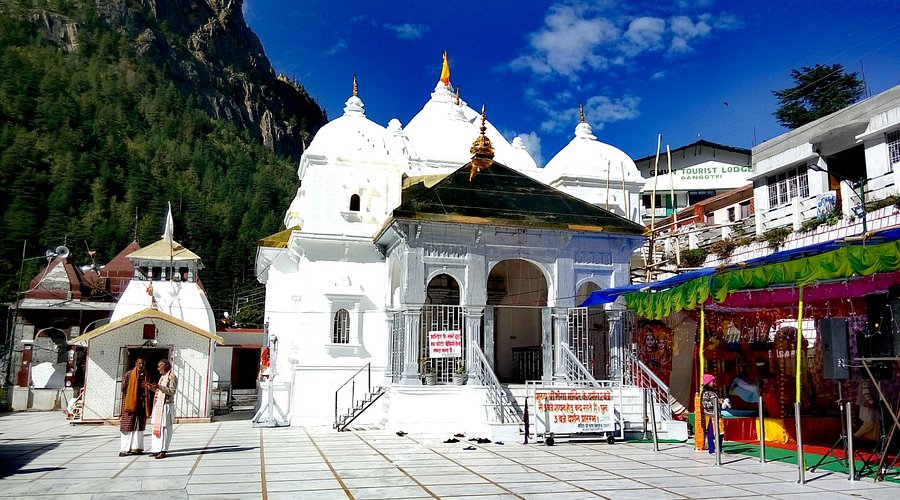
Gangotri, the second destination in the Chardham circuit, is located at an elevation of 3,100 meters in the Uttarkashi district. The temple is dedicated to Goddess Ganga, the holy river that is considered the lifeblood of India. Gangotri is believed to be the place where the river Ganga descended from the heavens, thanks to the efforts of King Bhagirath. The temple itself is a magnificent structure built with white granite and is surrounded by stunning natural beauty. Pilgrims can participate in various rituals and ceremonies at Gangotri, including the famous Ganga Aarti, which is performed every evening at the ghats.
Kedarnath
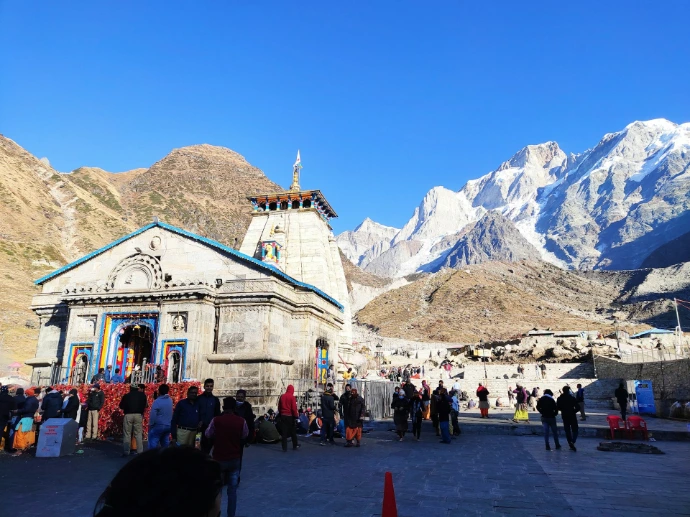
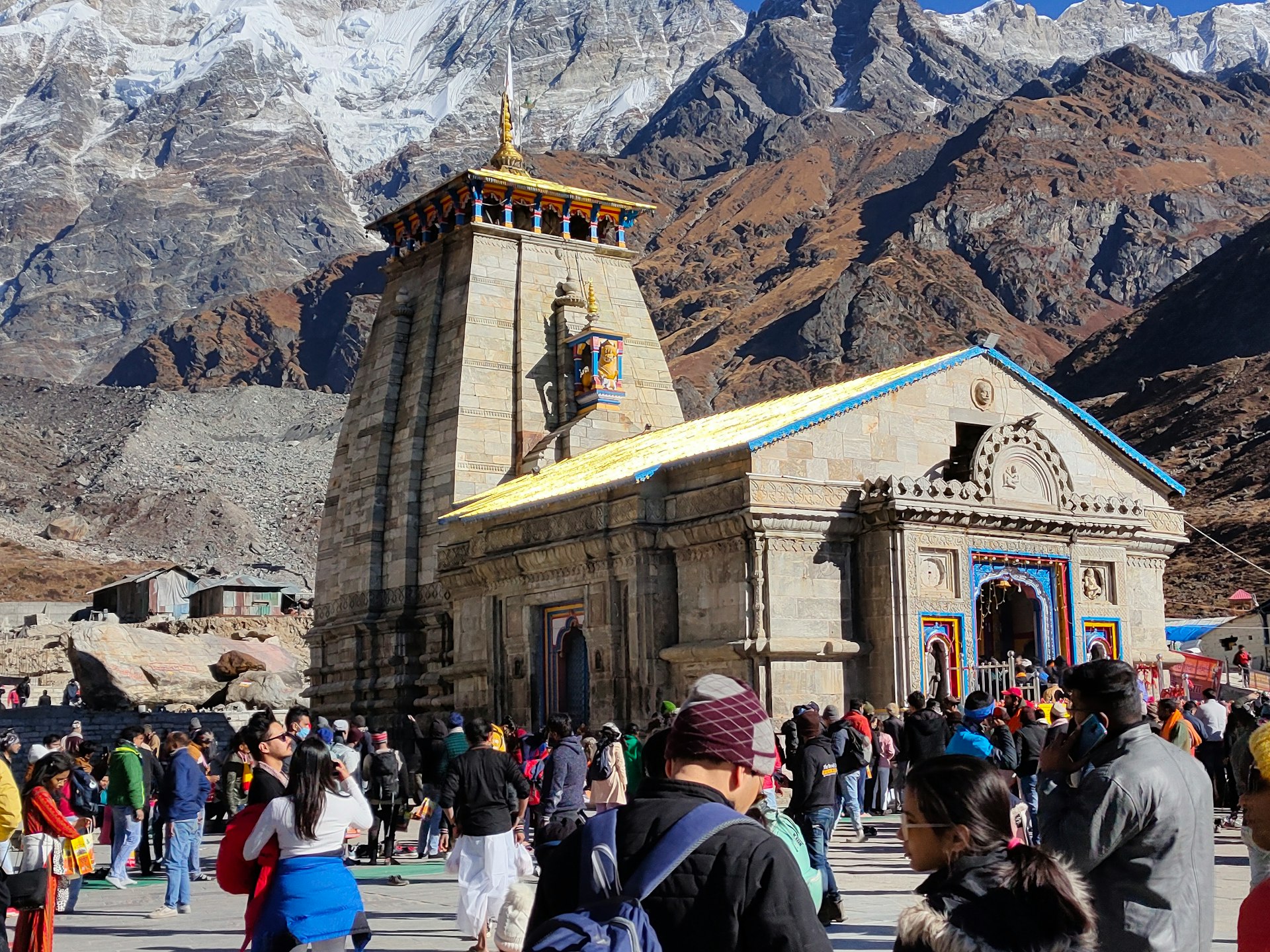
Kedarnath is the third stop on the Chardham Yatra and is located in the Rudraprayag district at an altitude of 3,583 meters. It is one of the twelve Jyotirlingas and is dedicated to Lord Shiva. The temple is situated amidst the snow-capped peaks of the Himalayas, making it one of the most visually striking destinations in the Chardham circuit. The journey to Kedarnath involves a trek of approximately 16 kilometers from the town of Gaurikund. The temple's architecture is awe-inspiring, and its spiritual ambiance is enhanced by the natural beauty surrounding it. Kedarnath is also associated with the Pandavas, who are said to have visited the site to seek Lord Shiva's blessings.
Badrinath
Badrinath, the final destination in the Chardham Yatra, is located in the Chamoli district at an altitude of 3,133 meters. The temple is dedicated to Lord Vishnu and is one of the most important pilgrimage sites in Hinduism. Badrinath is believed to be the place where Lord Vishnu meditated under a Badri tree to save humanity from suffering. The temple is situated on the banks of the Alaknanda river and is surrounded by majestic mountains and serene valleys. The main shrine houses a black stone idol of Lord Vishnu, which is worshipped by thousands of devotees every year. Badrinath also hosts various festivals and rituals, including the famous Badri Kedar festival
Best Time to Visit Chardham
The best time to undertake the Chardham Yatra is during the summer months, from late April to early June, and the autumn months, from September to November. During these periods, the weather is relatively mild and conducive for travel, ensuring a comfortable and safe pilgrimage experience. The summer season is characterized by pleasant temperatures and clear skies, making it ideal for trekking and sightseeing. Autumn, on the other hand, offers cooler temperatures and vibrant landscapes, with the post-monsoon greenery adding to the visual appeal of the region.
The monsoon season, from July to August, is generally avoided due to heavy rainfall, which can lead to landslides and road blockages. The unpredictable weather during this time makes traveling risky, and many of the routes to the temples become inaccessible. Additionally, the onset of winter in late November brings extreme cold and snowfall, especially in the higher altitudes, which can pose significant challenges for pilgrims. Therefore, planning your Chardham Yatra during the recommended months ensures a safer and more enjoyable experience.
It is also important to consider the specific festivals and religious events that take place at each temple. For instance, the Gangotri temple is known for its grand celebration of Ganga Dussehra, while Kedarnath hosts the vibrant Maha Shivaratri festival. Badrinath witnesses the joyous celebration of the Badri Kedar festival, attracting pilgrims from all over the country. Aligning your visit with these events can enhance your spiritual experience and allow you to partake in the local traditions and festivities. Therefore, researching the festival calendar and planning accordingly can add a special dimension to your Chardham Yatra..