Bheem Pul
Where Myth Meets the Mountains | Taggetaways
Enquiry NOW
High in the Garhwal Himalayas, just a short distance from the sacred town of Badrinath, lies a place where mythology and nature blend seamlessly—Bheem Pul. Located in the picturesque village of Mana, this remarkable natural rock bridge stretches across the roaring Saraswati River, creating one of the most fascinating mythological landmarks in Uttarakhand.
Surrounded by towering mountains, rushing rivers, and ancient legends, Bheem Pul is far more than a geological formation. It is a living story from India’s epic past. Named after Bheem, the mighty warrior from the Mahabharata, the bridge symbolizes strength, courage, and devotion.
Today, travellers and pilgrims visiting Badrinath often extend their journey to Mana Village to witness this legendary marvel. With Taggetaways, you can explore this mystical destination while immersing yourself in the stories, landscapes, and spiritual energy that make the Himalayas truly unforgettable.
Where Myth Meets the Himalayas
Enquiry NOW
Mana Village, famously known as India’s last village before the Indo-Tibetan border, is steeped in mythology and history. Just beyond its narrow stone paths and traditional houses lies the dramatic gorge of the Saraswati River. Here, the river crashes through rocky cliffs, creating a powerful cascade of frothy white water.
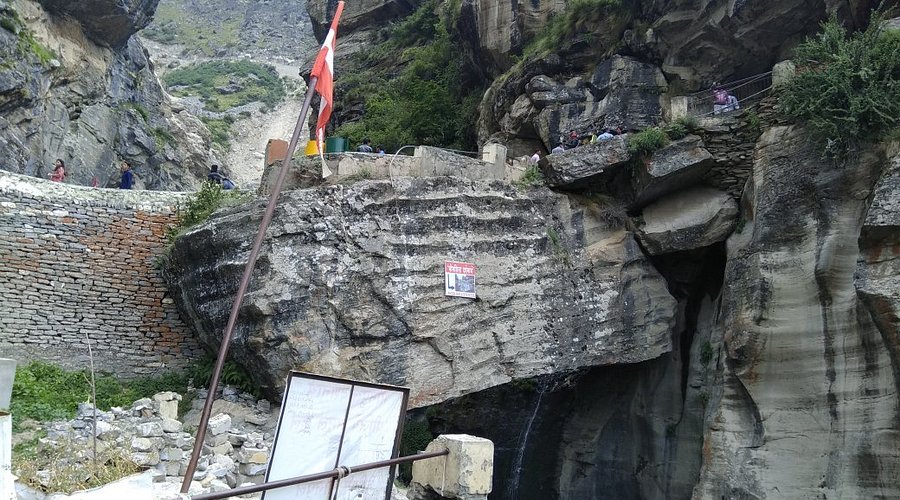
Spanning this gorge is Bheem Pul, a massive stone slab that appears almost impossibly balanced across the river. The sight is both awe-inspiring and mysterious. Visitors often pause in wonder, trying to imagine how such a colossal rock could have formed a natural bridge in this rugged terrain.
But according to legend, this is no ordinary rock formation. Instead, it is believed to be the work of one of the greatest warriors in Hindu mythology.
The Legendary Story of Bheem Pul
Enquiry NOW
The origins of Bheem Pul are deeply rooted in the epic Mahabharata. According to local folklore, the bridge was created during the Pandavas’ final journey toward heaven, known as the Swargarohini Yatra.
As the story goes, the five Pandava brothers—Yudhishthira, Bheem, Arjuna, Nakul, and Sahadev—along with their wife Draupadi, travelled through the Himalayas on their path to the celestial realms. When they reached the roaring Saraswati River near Mana, Draupadi found it impossible to cross the turbulent waters.
Seeing her struggle, Bheem—the strongest among the Pandavas—lifted a massive boulder and placed it across the river, creating a bridge for Draupadi and his brothers to cross safely.
That colossal rock is believed to be the Bheem Pul that still stands today.
This legend has been passed down through generations, transforming the bridge into a powerful symbol of devotion and strength. For locals and visitors alike, standing on Bheem Pul feels like stepping into the pages of ancient mythology.
A Bridge Carved by Nature and Legend
Enquiry NOW
Whether shaped by natural forces or by the mythical strength of Bheem, the bridge remains a fascinating sight. The enormous boulder stretches across the narrow gorge, forming a natural crossing point over the rushing Saraswati River below.
The river itself is dramatic and powerful. As it emerges from the mountains, the Saraswati surges through rocky cliffs, creating a thunderous roar that echoes across the valley. The contrast between the calm mountains and the turbulent river adds to the mystical atmosphere of the site.
Standing on the bridge, visitors can look down at the white waters churning beneath their feet. The experience is both thrilling and humbling, reminding travellers of the raw power of nature and the timeless legends that define this region.
A Bridge to Adventure
Enquiry NOW
While Bheem Pul is steeped in mythology, it is also a destination that appeals to modern-day explorers. For travellers visiting Badrinath and Mana Village, the bridge marks the beginning of a memorable adventure in the Himalayas.
Walking across the ancient rock bridge is an unforgettable experience. Each step feels like a journey through history, connecting visitors to stories that have been told for thousands of years. The surrounding landscape—marked by towering cliffs, snow-capped peaks, and winding rivers—creates the perfect backdrop for exploration.
The area around Bheem Pul also offers excellent opportunities for photography. From panoramic mountain views to dramatic river landscapes, every corner provides a postcard-worthy scene.
With Taggetaways, travellers can enjoy guided experiences that bring these stories to life, making each visit both educational and inspiring.
A Playground for the Imagination
Enquiry NOW
For centuries, Bheem Pul has inspired travellers, storytellers, and spiritual seekers alike. Its connection to the Mahabharata makes it one of the most fascinating mythological sites in Uttarakhand.
Standing here, it is easy to imagine the legendary Pandavas walking through the Himalayan valleys on their final journey. The surrounding environment feels untouched by time, allowing visitors to immerse themselves in the epic stories that define India’s cultural heritage.
For history enthusiasts and mythology lovers, Bheem Pul provides a rare opportunity to experience a place where ancient narratives and real landscapes merge. Meanwhile, nature lovers are equally captivated by the dramatic scenery and pristine Himalayan air.
Whether you come seeking adventure, spirituality, or simply a deeper connection with India’s past, Bheem Pul offers an experience that sparks curiosity and wonder.
Exploring the Wonders of Mana Village
Enquiry NOW
Bheem Pul is just one of the many attractions waiting to be discovered in Mana Village. This historic settlement is rich in cultural and mythological significance, making it an essential stop for travellers exploring the Badrinath region.
Vyas Gufa
One of the most famous sites in Mana is Vyas Gufa, the cave where the sage Ved Vyasa is believed to have composed the Mahabharata. According to legend, Lord Ganesha acted as the scribe while Vyasa dictated the epic.
Ganesh Gufa
Located close to Vyas Gufa, Ganesh Gufa is believed to be the place where Lord Ganesha wrote down the Mahabharata as Vyasa narrated it.
Bhimkund
Another fascinating spot near Bheem Pul is Bhimkund, a mysterious water pool believed to have mythological connections with Bheem himself.
These sacred locations create a network of mythological landmarks that enrich the experience of visiting Mana Village.
Nearby Attractions Around Bheem Pul
Enquiry NOW
The region around Mana and Badrinath is filled with spiritual and natural attractions that travellers can explore.
Badrinath Temple
Just a few kilometres away lies the revered Badrinath Temple, one of the most important pilgrimage sites in India and a key part of the Char Dham Yatra.
Tapt Kund
Before entering the Badrinath Temple, many pilgrims take a dip in Tapt Kund, a natural hot spring believed to purify the body and soul.
Keshav Prayag
This sacred confluence of rivers is another spiritual landmark in the region, offering stunning views and a peaceful atmosphere for reflection.
Visiting Information
Enquiry NOW
Timings:
Open 24 hours
Visitors can explore Bheem Pul at any time of the day, though early morning or late afternoon offers the most pleasant weather and the best lighting for photography.
Since the site is located in the high Himalayas, travellers should wear comfortable walking shoes and carry warm clothing, even during the summer months.
Discover the Magic with Taggetaways
Enquiry NOW
Bheem Pul is more than just a tourist attraction—it is a destination where mythology, nature, and adventure come together. From the powerful Saraswati River to the legendary stories of the Pandavas, every aspect of this place evokes a sense of wonder.
With Taggetaways, travellers can explore the mystical beauty of Mana Village and the Badrinath region while uncovering the legends that make this corner of the Himalayas so special.
Whether you are drawn by mythology, inspired by nature, or simply seeking an unforgettable Himalayan journey, Bheem Pul promises an experience that will stay with you long after the mountains fade from view.
Because here, in this dramatic valley of rivers and rocks, myth truly meets the mountains.